

Running Gear Checklist: What to Upgrade Before Training Begins
Before you add more miles to your calendar, take a look at what you’re running in. Start with the socks that slide down, the bottle that leaks, and the shorts you spend half your run adjusting.
Getting ready for Austin Marathon training does not have to mean replacing everything. Use this marathon gear checklist before the first week of your training plan to identify what needs attention and what can stay in rotation.
 What Running Gear Should You Upgrade First?
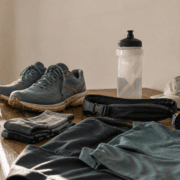 What Running Gear Should You Upgrade First?
Start with damaged equipment, shoes with fit problems, clothing that repeatedly rubs, and lights that do not work reliably. Check those essentials before shopping for optional electronics or race-day extras. Try replacements on short runs before using them for longer outings.
Your Quick Gear Check
- Shoes: Inspect tread, uppers, and fit.
- Socks: Check for holes, bunching, and slipping.
- Apparel: Test seams, waistbands, support, and loaded pockets.
- Hydration gear: Look for leaks, damaged parts, and shifting straps.
- Fuel storage: Make sure you can reach what you carry.
- Lights: Test operation, batteries, and charging cables.
- Sun protection: Check your hat, sunglasses, and sunscreen label.
1. Running Shoes: Check Your Current Pair Before Shopping
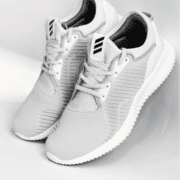 1. Running Shoes: Check Your Current Pair Before Shopping
Start with the shoes already by your door. Inspect the soles and uppers, then think about your recent runs. Have you noticed rubbing, slipping, or a change in how they feel?
Do not use appearance or mileage alone to make the decision. If you are unsure about their condition or fit, take them to a running specialty store for an assessment.
How Do You Choose the Best Marathon Running Shoes for You?
When comparing shoes, bring your usual running socks and explain what you are training for. Try several options and ask about the store’s return or trial policy.
Focus on fit and comfort rather than choosing solely by brand, price, or someone else’s favorite model. Do not keep running in a pair that hurts in the hope that it will become comfortable.
Your next step: Inspect your current pair and arrange a fitting if you have concerns.
2. Running Socks: Retire the Pairs You Keep Adjusting
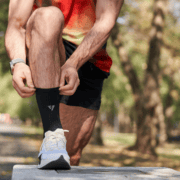 2. Running Socks: Retire the Pairs You Keep Adjusting
Pull out the socks you actually use, not just the newest pair in the drawer. Check the heels, toes, seams, and cuffs.
Set aside pairs with holes or a habit of slipping and bunching. When trying replacements, wear them with your training shoes so you can assess the fit together.
Do Running Socks Prevent Blisters?
Do not treat “blister prevention” as a guarantee when shopping for socks. Test the shoe-and-sock combination on shorter runs and pay attention to rubbing or hot spots.
Your next step: Choose a comfortable pair for a short test run before stocking up.
3. Running Apparel: Test It With Full Pockets
 3. Running Apparel: Test It With Full Pockets
Put on your usual running outfit and load it the way you would for a run. Add your phone, keys, and whatever else you carry.
Move around. Check whether the waistband shifts, the pockets bounce, or any seams rub. If you wear a sports bra, include its fit and support in your check.
For your Austin training wardrobe, check the forecast before choosing an outfit. Lay out your warm-weather options and any layers you may need for cooler conditions before buying more.
Your next step: Replace the pieces you repeatedly adjust or avoid wearing. Keep the favorites that still work.
4. Hydration Gear: Fill It Before You Trust It
 4. Hydration Gear: Fill It Before You Trust It
Do a leak check before heading out. Fill your bottle or reservoir, secure the cap, and inspect the valves and connections.
Follow the manufacturer’s cleaning and drying instructions. If a component is damaged, check whether you can replace that part rather than the entire setup.
Try your belt or vest with water inside and adjust it while moving. Before each run, confirm where you can refill instead of relying on an unverified water stop.
Your next step: Clean, fill, inspect, and test your setup on a short route.
5. Fuel Storage: Make Sure You Can Reach It
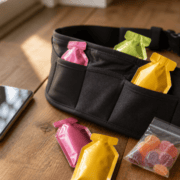 5. Fuel Storage: Make Sure You Can Reach It
Load your pockets or belt with what you expect to carry on a longer run. Practice retrieving a gel or chew and opening the packaging. Leave room for the empty wrapper, too.
Check product date labels and storage instructions. Buy a small amount of an unfamiliar fuel before committing to a larger supply, and follow your training plan or qualified nutrition guidance when practicing fueling.
Your next step: Test access and storage, not just how much your belt can hold.
6. Lights and Extras: Fix What Is Not Working
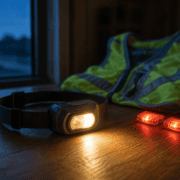 6. Lights and Extras: Fix What Is Not Working
Charge your running lights and test their settings. Inspect straps, clips, and reflective items. Check manufacturer guidance for operation and battery care.
Give your hat, sunglasses, and sunscreen a quick review, including the sunscreen’s label and expiration information.
Then look at optional electronics. Before replacing your watch, test its charge and the functions you use. A newer model does not need to be on your shopping list simply because training is starting.
Your next step: Address damaged or unreliable essentials before considering extra features.
What Should You Buy First on a Budget?
Start with a specific problem, not a shopping category. A leaking bottle needs attention; a working watch does not automatically need replacing. Make a short list of equipment that is damaged, uncomfortable, or unreliable, then decide what to repair or replace.
When Should You Test New Gear?
Give yourself time before your training schedule gets busier. Start with a short outing, make adjustments, and test again before taking the setup on a longer run.
For more preparation ideas, visit our marathon training essentials guide.
Your Austin Marathon gear check starts with what you already own. Lay it out, inspect it, and tackle the items you have been meaning to fix. Then take your updated setup for an easy run.

 thetrailconservancy.org
 thetrailconservancy.org