Best Coffee Shops in Austin for Post-Run Meetups

Nothing caps off a long run in Austin like a great cup of coffee, a solid breakfast, and a place where the whole crew can actually hear each other talk. Whether you are training for the Austin Marathon, meeting friends after a weekend long run, or just looking for a relaxed cool-down spot, these coffee shops make it easy to refuel and reconnect.

Below are some of the best coffee shops in Austin for post-run meetups, picked for runner-friendly essentials like quick service, plenty of seating, outdoor patios, and locations near popular routes.


What makes a coffee shop great for runners?

After a run, convenience matters. Here is what we prioritized:

  • Close to popular running routes (Lady Bird Lake Trail, downtown, South Congress, East Austin)
  • Plenty of seating for groups and running clubs
  • Outdoor patios for sweaty-but-social hangs
  • Quality espresso and cold brew for the caffeine fix
  • Food options like breakfast tacos, pastries, and hearty bites
  • Easy parking or bike access when possible

People walk and cycle past a green building with a red “O’s” sign and “i love you so much.” painted on the side—a favorite for post-run meetups and one of the best coffee shops in Austin, with outdoor seating and a welcoming vibe. Austin Marathon Half Marathon & 5K1) Jo’s Coffee (South Congress)

Jo’s is an Austin classic and one of the easiest choices for a lively post-run meetup. The patio scene is perfect for groups, and South Congress gives you plenty of people-watching while you refuel.

Why runners love it:

  • Big outdoor patio and energetic vibe
  • Great for meeting up with a group after a loop through central Austin
  • Quick grab-and-go drinks when you are in a hurry

What to order: Iced coffee or cold brew, plus a pastry for a quick carb boost.

Good for: Social meetups, visiting runners, weekend post-run hangs.


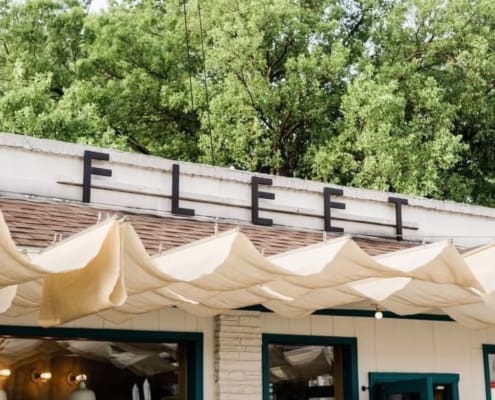
A building with large black letters spelling "FLEET" on the roof, light fabric awnings, teal window frames, and green trees in the background—one of the best coffee shops in Austin for post-run meetups. Austin Marathon Half Marathon & 5K2) Fleet Coffee (East Austin)

If your crew is serious about coffee quality, Fleet is a top contender. It is a smaller spot, but it is beloved for espresso drinks and a laid-back atmosphere.

Why runners love it:

  • Excellent espresso and seasonal drinks
  • Great stop if your route takes you through East Austin
  • Friendly, neighborhood feel

What to order: Espresso tonic (when available) or a classic latte.

Good for: Smaller groups, coffee enthusiasts, a calmer meetup.


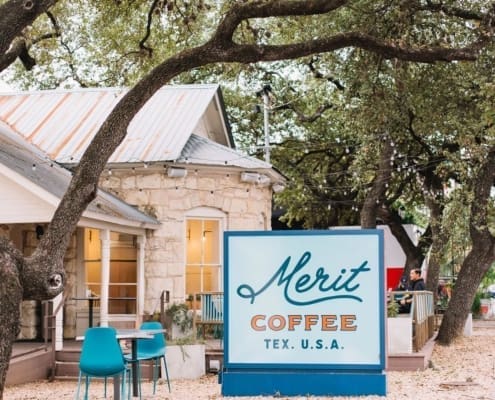
A cozy coffee shop with a stone exterior and a large "Merit Coffee TEX. U.S.A." sign stands under leafy trees—one of the best coffee shops in Austin, perfect for post-run meetups at the teal chairs on the leaf-strewn ground. Austin Marathon Half Marathon & 5K3) Merit Coffee (Downtown and beyond)

Merit is a dependable option with consistently strong coffee and a polished space that works well for a midweek meetup. If you have runners coming from different parts of town, Merit locations can be a convenient middle ground.

Why runners love it:

  • Consistent drinks, fast service
  • Comfortable seating for chatting and planning the next long run
  • Reliable choice for out-of-towners training for the Austin Marathon

What to order: Pour-over or cold brew; grab something light to eat if available.

Good for: Weekday meetups, planning sessions, “everyone can find it” convenience.


People sit at wooden picnic tables on a large outdoor deck shaded by trees, enjoying Spring in Austin. Some are eating or talking while others, including runners passing by, enjoy one of the city's top patio spots with lively vibes and lush plants. Austin Marathon Half Marathon & 5K4) Mozart’s Coffee Roasters (Lake Austin)

For runners who like a scenic cool-down, Mozart’s is hard to beat. The lakeside seating turns a simple coffee stop into a full recovery moment.

Why runners love it:

  • Beautiful waterfront views
  • Plenty of space to sit and relax
  • Great for longer, more leisurely meetups

What to order: Iced latte and a pastry.

Good for: Weekend runs, out-of-town visitors, relaxed post-run recovery.


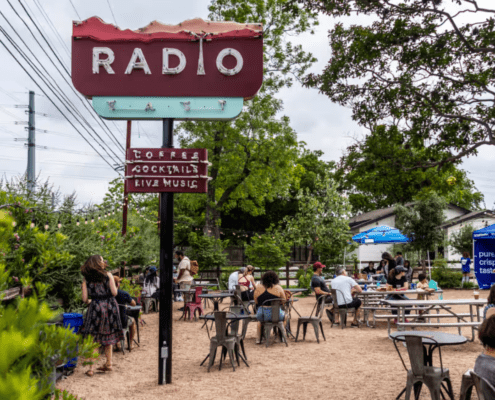
Outdoor patio spot with people sitting at tables under trees. A large vintage "RADIO" sign and smaller signs advertise coffee, cocktails, and live music. It’s a casual, relaxed hangout—perfect for runners enjoying Spring in Austin. Austin Marathon Half Marathon & 5K5) Radio Coffee & Beer (South Austin)

Radio is one of the best patio spots in the city, and it is built for groups. With lots of outdoor seating and food trucks nearby, it is ideal when your runners want both caffeine and something more substantial.

Why runners love it:

  • Huge outdoor space that fits running clubs
  • Food trucks nearby for a real post-run meal
  • Great “hangout” energy without feeling rushed

What to order: Cold brew; then follow it up with tacos from a nearby truck.

Good for: Big meetups, team hangs, long-run weekends.


Two people sit at an outdoor table in front of Houndstooth Coffee, one of the best coffee shops Austin offers. A person in a mask stands nearby while the window advertises "best tea wine pastries." Ideal spot for post-run meetups. Austin Marathon Half Marathon & 5K6) Houndstooth Coffee (Downtown and beyond)
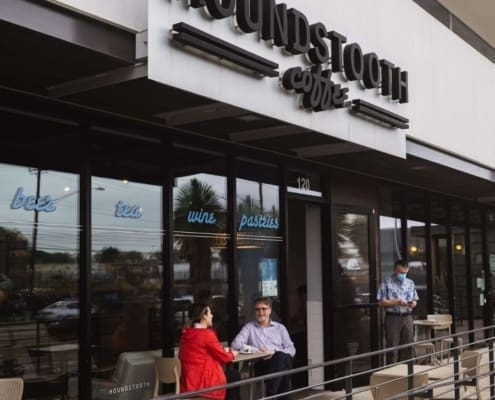
Houndstooth is a strong choice when you want a clean, modern coffee bar with great espresso and a central location. It is especially convenient for runners training or staying downtown for the Austin Marathon.

Why runners love it:

  • High-quality espresso
  • Great downtown access
  • Solid option for smaller groups who want to chat and recover

What to order: Cappuccino or a latte.

Good for: Downtown meetups, marathon weekend plans, quick post-run stops.


Tips for planning a post-run coffee meetup in Austin

A few quick ideas to make it easier for everyone:

  1. Pick a clear meeting time window (example: “meet between 9:15 and 9:45”).
  2. Choose a shop with a patio when it is warm or crowded.
  3. Share a pin and a landmark (example: “front patio by the mural”).
  4. Have a backup shop within 5 to 10 minutes if the first option is packed.
  5. Bring a change layer if you cool down fast after your run.

FAQ: Post-run coffee in Austin

What is the best coffee shop in Austin for big running groups?

Radio Coffee & Beer is one of the easiest for large meetups because of the outdoor space and nearby food options.

Where should I meet friends after a run near downtown Austin?

Merit and Houndstooth are reliable downtown-friendly options, and they work well for quick meetups.

What should runners eat after coffee?

Look for carbs plus protein. Breakfast tacos, pastries, and a hearty sandwich (plus hydration) are great choices after longer runs.


Final thoughts

Austin has no shortage of great coffee, but the best post-run meetup spots combine strong drinks with space to linger. Try a couple of these with your running crew and you will quickly find your go-to after long runs or Austin Marathon training sessions.
5 Reasons Why Summer Is the Secret Weapon of Successful Marathoners

If you have ever looked at a marathon training plan and thought, “Why do I need to start training when it’s so hot outside?” you are not alone.

But experienced runners know a powerful truth: summer is the secret weapon of successful marathoners. When you train smart through the heat, you build a deeper aerobic engine, improve mental toughness, and set yourself up to thrive when cooler race-day temperatures arrive.

Whether you are training for a fall marathon or building fitness for a winter or spring race, here is why summer marathon training can be your biggest advantage, plus exactly how to do it safely.


1. Summer Builds a Strong Aerobic Base (without forcing speed)

Marathon success depends on aerobic fitness more than anything else. Summer naturally encourages you to slow down, which can be a good thing.

When temperatures rise, your heart rate climbs faster at the same pace because your body is working harder to cool itself. That means even easy runs can deliver a strong aerobic stimulus, as long as you keep the effort controlled.

Summer advantage:

  • Better aerobic development through consistent, effort-based training
  • Less temptation to “race” every workout
  • More time in the right intensity zone for marathon performance

Tip: Run by effort (or heart rate) instead of pace during hot months. Your fall or winter paces will improve later as temperatures drop.


2. Heat Training Improves Efficiency and Resilience

Training in the heat triggers adaptations that can help marathon performance, including:

  • Increased plasma volume (more circulating blood), which can support endurance
  • Improved sweating response, helping you cool more effectively
  • Better cardiovascular efficiency over time

While heat is not required to become a strong marathoner, learning to handle warm conditions can make you more resilient in any race scenario, especially early-season races, humid conditions, or unexpected heat on marathon day.

Important: These benefits come from consistent, gradual exposure, not from pushing too hard in extreme conditions.


3. Summer Strengthens Your Mental Game

Marathon training is not only physical. Summer runs can be uncomfortable, and that discomfort builds confidence.

When you learn to stay calm, adapt your pacing, and keep showing up, you develop the mindset you will rely on late in the marathon.

Summer advantage:

  • Practice staying composed when conditions are not perfect
  • Build confidence through consistency
  • Train the “finish strong” mentality long before race day

4. Summer Is Ideal for Base Building and Injury Prevention

Many runners try to do too much intensity too soon. Summer is a great season to prioritize:

  • Easy mileage
  • Strength training
  • Mobility work
  • Hill work (controlled, powerful, not all-out)

This approach builds durability and helps you arrive at peak marathon training healthier.

Base-building focus ideas:

  • One weekly long run (effort-based)
  • One quality session (tempo, hills, or intervals adjusted for heat)
  • Two to four easy runs
  • Two strength sessions per week (20 to 40 minutes)

5. Heat Forces You to Master Hydration and Fueling (which wins marathons)

If you want to perform well in a marathon, your fueling plan cannot be an afterthought. Summer is the perfect time to practice:

  • Hydration strategy
  • Electrolytes and sodium needs
  • Fuel timing and gel tolerance

You will learn what works for your stomach, what prevents energy crashes, and how your body responds to different conditions.

Hydration basics for summer running

  • Start hydrated, do not try to “catch up” mid-run
  • For runs over 60 minutes, consider electrolytes, not just water
  • Practice drinking while moving, just like you will on race day

Note: Individual sweat rates vary a lot. If you want to dial this in, consider a simple sweat test (weigh before and after a run, adjust fluids accordingly).


How to Train Smart in Summer (without burning out)

Summer can boost fitness, but only if you respect the conditions. Use these best practices for marathon training in the heat.

Run early (or adjust the goal)

If possible, schedule long runs and harder workouts in the coolest part of the day, usually early morning.

If you must run later:

  • Reduce duration or intensity
  • Choose shaded routes
  • Prioritize safety over pace goals

Slow down and use effort-based pacing

In heat and humidity, pace is a poor measure of effort.

A simple guideline:

  • Easy runs should feel easy enough to hold a conversation.
  • Workouts should be controlled, not desperate.

Dress for cooling

  • Light-colored, breathable fabrics
  • Hat or visor for sun protection
  • Sunglasses to reduce strain
  • Sunscreen (yes, even early)

Watch for warning signs

Stop and cool down if you feel:

  • Dizziness or chills
  • Confusion
  • Headache that escalates quickly
  • Nausea that does not pass
  • Skin that feels hot and dry with reduced sweating

If symptoms are severe, seek medical help.


Sample Summer Workouts for Marathoners (heat-adjusted)

Here are a few options that build marathon fitness while respecting summer conditions:

1. Long Run with Easy Finish

  • 75 to 120 minutes easy
  • Last 10 to 20 minutes slightly stronger (still controlled)

2. Hill Repeats (strength and form)

  • Warm-up 10 to 15 minutes
  • 6 to 10 repeats of 30 to 60 seconds uphill at strong effort
  • Easy jog down recovery
  • Cool down 10 minutes

3. Tempo Intervals (marathon strength)

  • Warm-up 10 to 15 minutes
  • 3 x 8 minutes at “comfortably hard” tempo effort
  • 2 minutes easy between
  • Cool down 10 minutes

In summer, it is normal if these paces are slower than what you run in cool weather. The fitness still counts.


The Big Takeaway

Summer is not a training obstacle. It is an opportunity.

When you train smart through the heat, you build:

  • A stronger aerobic base
  • Better hydration and fueling habits
  • Mental toughness
  • Durability that carries into peak marathon training

Then, when temperatures drop, your pace often improves dramatically, and you arrive at the start line with confidence.


Ready to put your summer fitness to the test?

If you are building toward a marathon goal, keep your training consistent, stay heat-smart, and make every week count.

Looking for the perfect race-day experience? The Austin Marathon brings the energy, the community, and a course that makes your hard work worth it.

5 Mistakes First-Time Marathoners Make (Avoid These!)

Training for your first marathon is exciting. It is also a little overwhelming. With so much advice online, it is easy to miss the simple things that make the biggest difference on race day.

To help you feel confident at the start line, here are five of the most common first-time marathon mistakes, plus practical fixes you can start using this week.

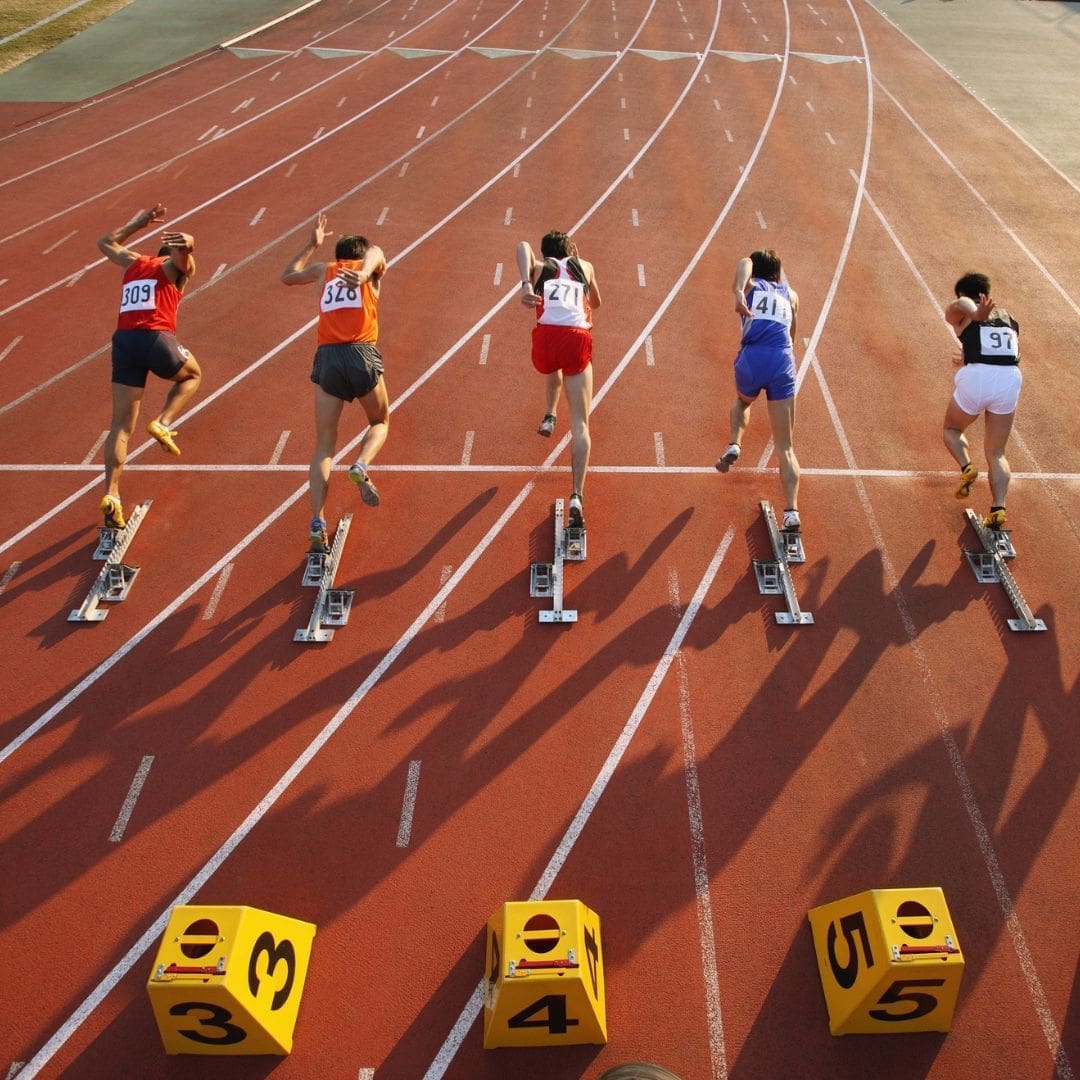
Five sprinters, each in different colored uniforms, launch off starting blocks on a red running track, beginning a race. Yellow lane markers numbered 3 to 7 are visible—reminding first-time marathoners to avoid common marathon mistakes. Austin Marathon Half Marathon & 5KMistake #1: Starting Too Fast (Because It Feels Easy)
The first miles of a marathon can feel effortless. Crowds are cheering, adrenaline is high, and your legs feel fresh. This is exactly why many first-time marathoners go out too fast and pay for it later.

Why it hurts:

Going out fast spikes effort early, burns through glycogen sooner, and can lead to cramps, nausea, or a painful slowdown in the final 10K.

How to avoid it:

  • Pick a realistic goal pace based on recent long runs or a tune-up race (10K, half marathon).
  • Run the first 2 to 4 miles slightly slower than goal pace.
  • Use a “negative split” mindset: finish stronger than you start.
  • If pace groups are available, start with the group that matches your conservative goal.

Quick rule: If mile 3 feels “hard,” you are running the wrong pace for 26.2.

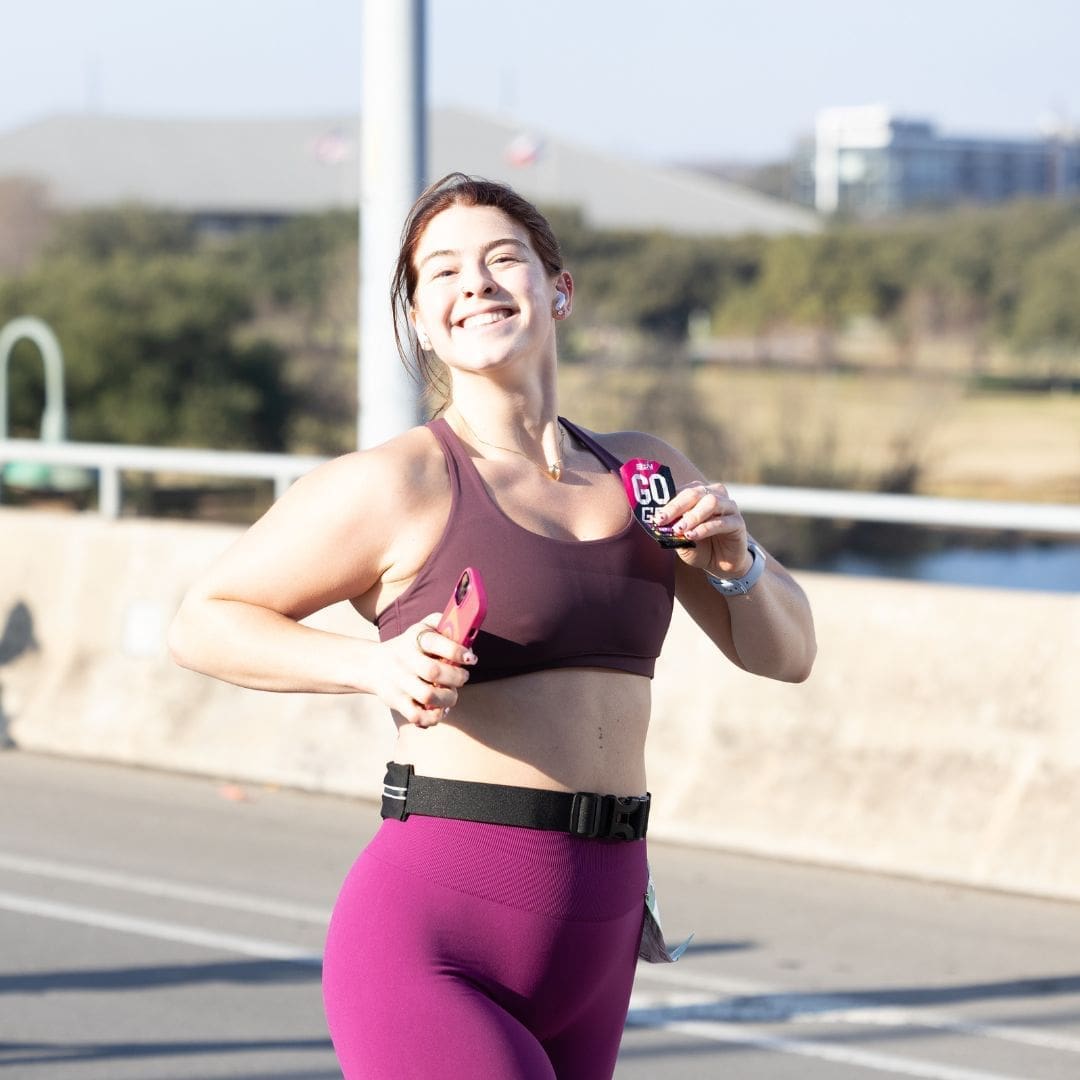
A woman in athletic wear smiles while jogging on a sunny day, holding an energy gel and a pink phone—perfectly prepared with marathon tips for first-time marathoners. Trees and buildings are visible in the background. Austin Marathon Half Marathon & 5KMistake #2: Ignoring Fueling Until It Is Too Late

Many beginners treat fueling like an emergency plan instead of a strategy. The marathon is long enough that even well-trained runners will struggle without calories.

Why it hurts:

Your body stores limited glycogen. When it runs low, energy drops fast. That is the “wall” many runners talk about.

How to avoid it:

  • Practice fueling during long runs, not just on race day.
  • Aim for 30 to 60 grams of carbs per hour (some runners can handle more with practice).
  • Start fueling early, usually around 30 to 45 minutes into the run.
  • Test different options (gels, chews, sports drink) to find what your stomach tolerates.

Simple plan to start with:

1 gel every 30 to 40 minutes, plus water as needed (adjust based on your body and conditions).

A woman with a braid drinks water from a blue bottle outdoors, wearing a fitness tracker and athletic clothing—highlighting essential marathon tips for first-time marathoners as sunlight filters through the trees in the background. Austin Marathon Half Marathon & 5KMistake #3: Treating Hydration Like a Contest
In warm or humid conditions, hydration matters. In cool weather, it still matters. The mistake is assuming “more is always better” or “I can just tough it out.”

Why it hurts:

Too little fluid can lead to fatigue, dizziness, and cramping. Too much plain water can dilute sodium levels and cause serious issues.

How to avoid it:

  • Use thirst as a guide, but have a plan.
  • Include electrolytes (sports drink or electrolyte tabs), especially if you sweat heavily.
  • Learn your sweat rate on long runs (how much weight you lose per hour in similar weather).
  • Take small sips consistently instead of chugging occasionally.

Austin tip: If your race-day forecast is warm, practice hydration and electrolytes in similar conditions during training. Heat changes everything.

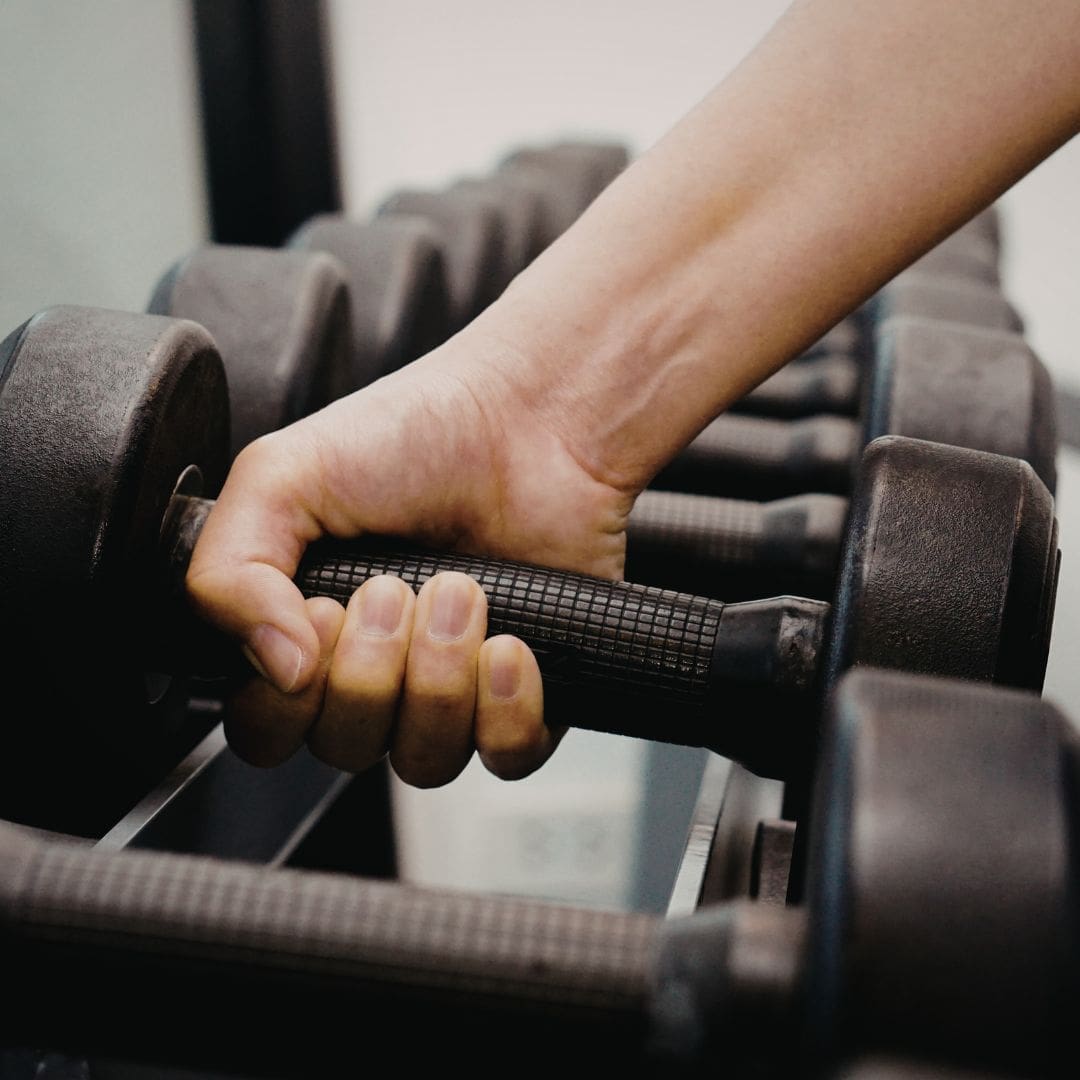
A close-up of a hand gripping the handle of a black dumbbell, with several others in a rack behind—perfect for first-time marathoners looking to avoid common marathon mistakes by adding strength training to their routine. Austin Marathon Half Marathon & 5KMistake #4: Skipping Strength Training and Then Getting Injured
Running builds endurance, but it does not automatically build the strength and stability that protect your joints when fatigue sets in.

Why it hurts:

As the miles add up, form can break down. Weak hips, glutes, and core can contribute to knee pain, shin splints, IT band issues, or plantar fasciitis.

How to avoid it:

Add 2 short strength sessions per week. Keep it simple and consistent:

  • Squats or goblet squats
  • Lunges or split squats
  • Deadlifts (or Romanian deadlifts with light weights)
  • Calf raises
  • Glute bridges or hip thrusts
  • Planks and side planks

Minimum effective routine:

20 minutes, twice a week, done year-round.

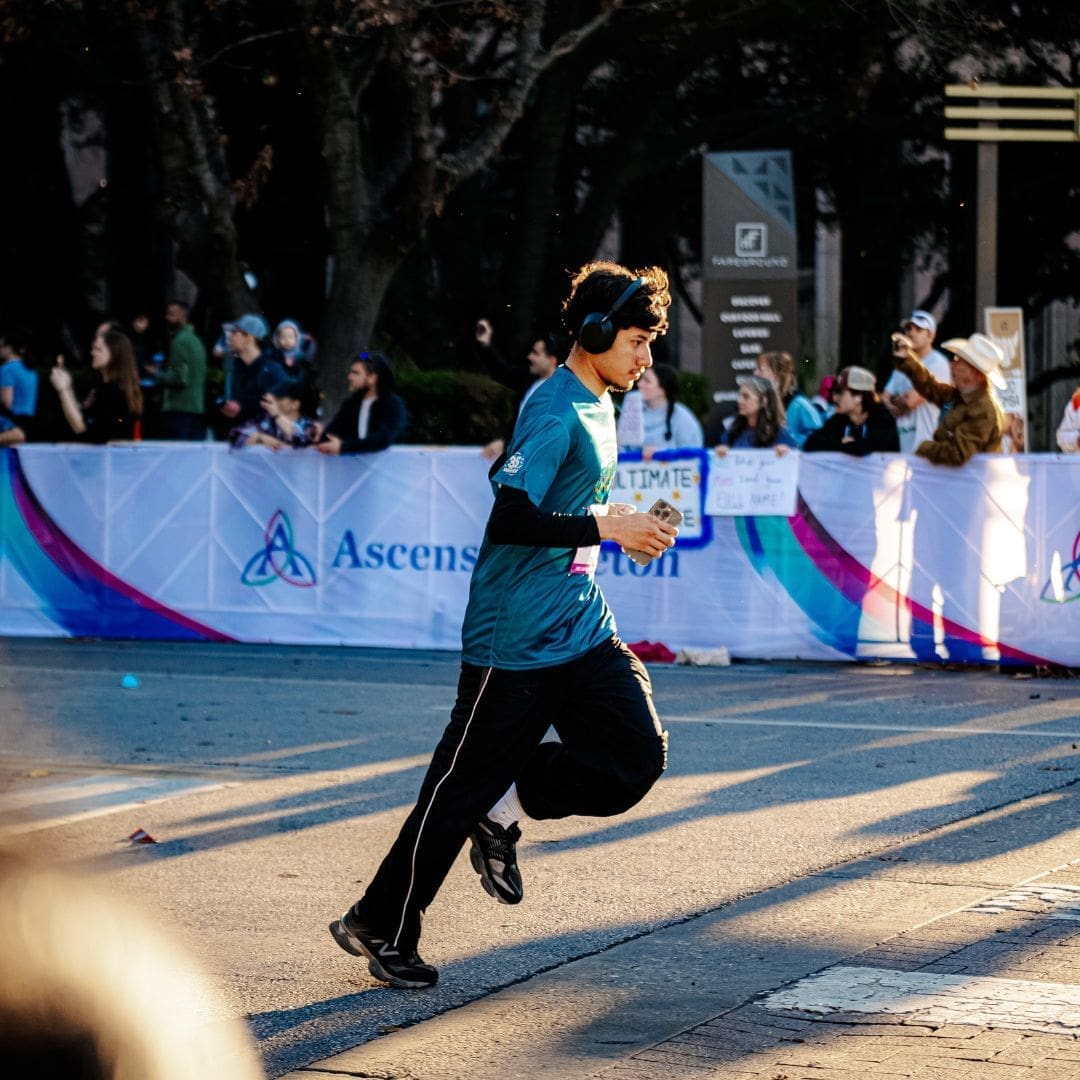
A runner wearing headphones and a teal shirt jogs past cheering spectators and a white event banner on a sunny day, embodying the excitement and energy first-time marathoners feel while learning valuable marathon tips along the route. Austin Marathon Half Marathon & 5KMistake #5: Not Respecting the Taper (or Overthinking It)

The taper is the last stretch of training where you reduce volume so your body can recover and show up rested. Many first-timers panic when mileage drops. They add “extra” workouts to feel ready, or they change everything at the last minute.

Why it hurts:

You cannot gain fitness in the final week, but you can accumulate fatigue. New shoes, new gels, or a last-second hard workout can turn race day into a struggle.

How to avoid it:

  • Trust your training. The taper is part of the plan.
  • Keep some intensity (short, controlled efforts), but reduce overall mileage.
  • Prioritize sleep, hydration, and consistent meals.
  • Avoid trying anything new in the final 10 to 14 days.

Remember: You want to feel a little “itchy” to run on race morning. That is a good sign.


Quick Race-Day Checklist for First-Time Marathoners

  • Start slower than you think you should
  • Begin fueling early and fuel consistently
  • Drink small amounts regularly, include electrolytes
  • Stick to familiar gear and nutrition
  • Focus on effort, not just pace, if conditions change

Frequently Asked Questions

How long should I train for my first marathon?

Most first-time marathon training plans run 12 to 20 weeks, depending on your base mileage and running history. Longer is often safer if you are new to running.

What is the biggest mistake first-time marathoners make?

Starting too fast is one of the most common. It feels great early, then becomes costly late in the race.

When should I take my first gel during a marathon?

Many runners do best starting 30 to 45 minutes into the race, then continuing every 30 to 40 minutes. Practice in training to confirm what works for you.

Should I walk during my first marathon?

A planned run-walk strategy can be effective for first-timers, especially to manage pacing, fueling, and fatigue. If you use it, practice it in long runs.


Your first marathon does not need to be perfect. It just needs to be prepared. If you avoid these five mistakes and stick with a simple plan, you will give yourself the best chance to finish strong and actually enjoy the experience.

Ready for race day in Austin?

Check out our race weekend info, course details, and runner resources here:

How to Stay Consistent When Race Day Feels Far Away

There is a special kind of challenge that shows up when you are training for a marathon months in advance. At the beginning, motivation is high. The race feels exciting and new. You have a fresh plan, new gear, and big goals.

Then life happens.

Weeks stack up. The weather changes. Work gets busy. Your schedule fills. Long runs feel repetitive. And suddenly, race day feels so far away that it is hard to stay locked in.

If you are training for the Austin Marathon and you have hit that “why am I doing this again?” season, you are not alone. The good news is consistency is not about being endlessly motivated. It is about building simple systems that carry you when motivation fades.

Here are practical ways to stay consistent when race day still feels like a distant dot on the calendar.


1) Focus on the next 7 days, not the finish line

When the race is months away, thinking about 26.2 miles can feel overwhelming. Instead of asking, “Can I do this for the next 12 to 16 weeks?” try asking:

“What does a strong week look like for me right now?”

Break your training into weekly goals you can actually see and complete. For example:

  • 3 runs this week (even if they are short)
  • 1 long run
  • 1 strength session
  • 1 true rest day
  • 7 hours of sleep at least 4 nights

A week is manageable. A month is harder. A whole training cycle can feel impossible. Keep your attention where you can win.


2) Build “minimum effort” habits for low-energy days

Some days will not go as planned. That is normal. Consistency is not about perfect weeks, it is about not disappearing when things get hard.

Create a simple fallback plan for days when you are tired, stressed, or short on time:

  • If you cannot do the full run, do 10 to 20 minutes easy
  • If you cannot leave the house, do a walk + mobility
  • If you miss a workout, do not “make up” everything, just resume the plan

Your goal is to protect the habit of showing up. A short run counts because it keeps your identity intact: you are still training.


3) Tie your runs to a routine you already do

Motivation is unreliable, but routines are powerful. The easiest way to stay consistent is to attach running to something that already happens in your day.

Examples:

  • Lay out running clothes next to your coffee setup
  • Run immediately after dropping kids off
  • Schedule runs like appointments on your calendar
  • Choose consistent run days (example: Tue, Thu, Sat) and protect them

When running becomes automatic, it takes less mental energy to start.


4) Train for Austin, not just “a marathon”

One way to stay engaged is to connect your training to the actual experience you are working toward.

If you are running the Austin Marathon, think about:

  • Practicing hills if your route includes them
  • Getting comfortable with changing Texas weather
  • Doing long runs in similar morning conditions
  • Planning nutrition you can execute on race day

When training feels specific, it feels purposeful. You are not just “logging miles.” You are preparing for a real moment.


5) Track small wins that have nothing to do with speed

When race day is far away, pace improvements can feel slow. If speed is your only measure of progress, it is easy to feel stuck.

Instead, track wins like:

  • You ran when you did not feel like it
  • Your long run felt smoother than last month
  • You recovered faster
  • You fueled consistently
  • You stayed relaxed on easy days
  • You finished the week feeling healthy, not wrecked

These are signs you are becoming a better runner, even if your watch is not dramatically changing yet.


6) Expect the “mid-cycle slump” and plan for it

Many runners hit a motivation dip in the middle of a training cycle. It does not mean something is wrong. It means you are in the part that requires patience.

Plan ahead:

  • Choose one “fun” run each week (new route, music, group run)
  • Set a mini milestone (example: a 10K time trial, a long run confidence goal, a nutrition practice run)
  • Celebrate consistency streaks (example: “I ran 3x/week for 4 weeks”)

This keeps momentum alive while race day is still far out.


7) Remember what consistency really is

Consistency is not “never missing.”

Consistency is returning quickly.

You will have off weeks. You might miss a long run. You might get sick. You might travel. The best marathoners are not the ones who never get interrupted. They are the ones who do not let interruptions turn into quitting.

If you miss time, do not punish yourself. Do not panic. Do not try to cram. Just return to what you can do safely.


Final encouragement

When race day feels far away, it can help to remember this:

Every ordinary run you do now is part of the foundation that makes race day possible.

You do not need perfect weeks. You need enough consistent weeks. Show up, protect your body, keep the habit alive, and trust that your future self will be grateful you kept going.

If you are training for the Austin Marathon, keep your focus small and your routines simple. Race day will arrive faster than you think.