Tag Archive for: marathon hydration

5 Mistakes First-Time Marathoners Make (Avoid These!)

Training for your first marathon is exciting. It is also a little overwhelming. With so much advice online, it is easy to miss the simple things that make the biggest difference on race day.

To help you feel confident at the start line, here are five of the most common first-time marathon mistakes, plus practical fixes you can start using this week.

Five sprinters, each in different colored uniforms, launch off starting blocks on a red running track, beginning a race. Yellow lane markers numbered 3 to 7 are visible—reminding first-time marathoners to avoid common marathon mistakes. Austin Marathon Half Marathon & 5KMistake #1: Starting Too Fast (Because It Feels Easy)

The first miles of a marathon can feel effortless. Crowds are cheering, adrenaline is high, and your legs feel fresh. This is exactly why many first-time marathoners go out too fast and pay for it later.

Why it hurts:

Going out fast spikes effort early, burns through glycogen sooner, and can lead to cramps, nausea, or a painful slowdown in the final 10K.

How to avoid it:

  • Pick a realistic goal pace based on recent long runs or a tune-up race (10K, half marathon).
  • Run the first 2 to 4 miles slightly slower than goal pace.
  • Use a “negative split” mindset: finish stronger than you start.
  • If pace groups are available, start with the group that matches your conservative goal.

Quick rule: If mile 3 feels “hard,” you are running the wrong pace for 26.2.

A woman in athletic wear smiles while jogging on a sunny day, holding an energy gel and a pink phone—perfectly prepared with marathon tips for first-time marathoners. Trees and buildings are visible in the background. Austin Marathon Half Marathon & 5KMistake #2: Ignoring Fueling Until It Is Too Late
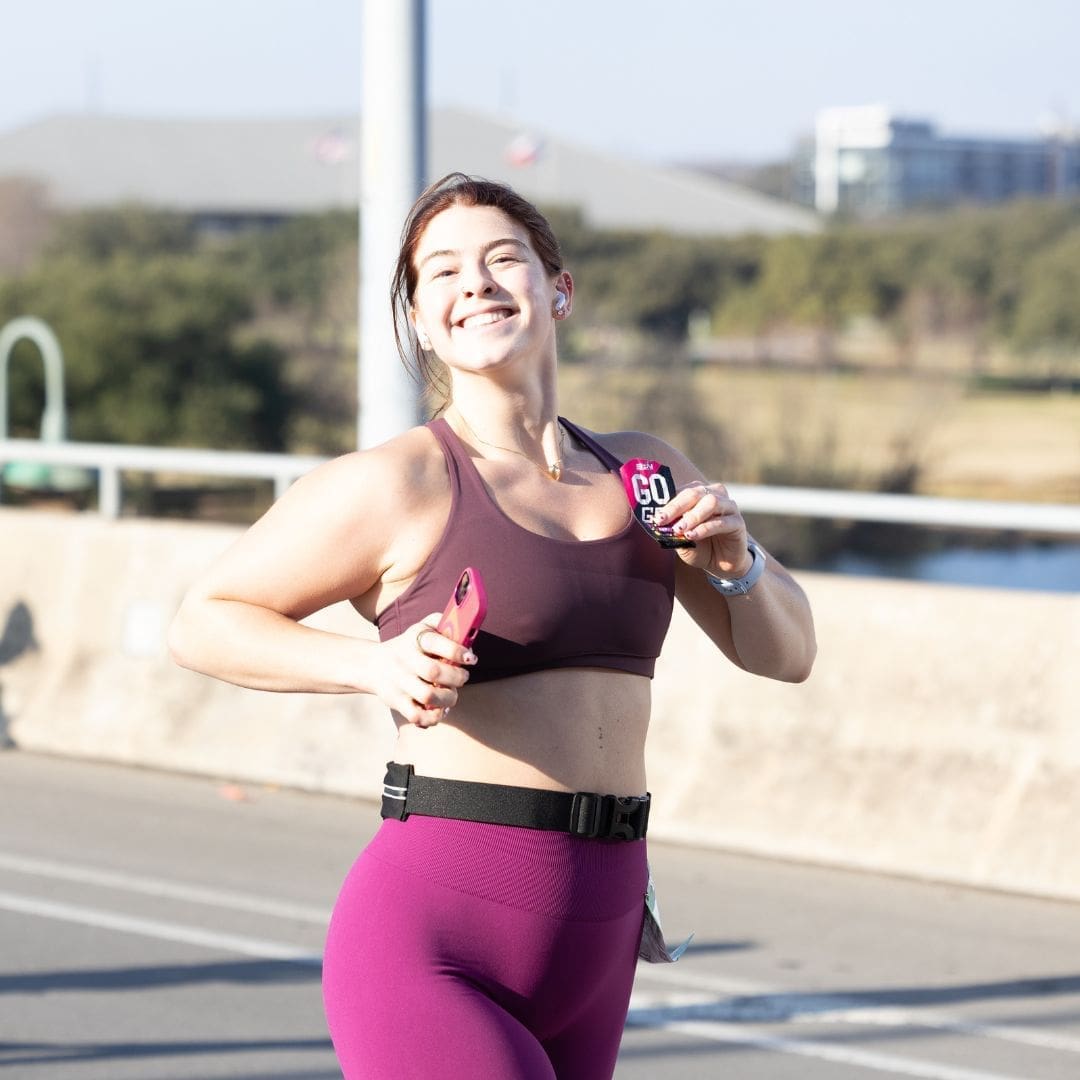
Many beginners treat fueling like an emergency plan instead of a strategy. The marathon is long enough that even well-trained runners will struggle without calories.

Why it hurts:

Your body stores limited glycogen. When it runs low, energy drops fast. That is the “wall” many runners talk about.

How to avoid it:

  • Practice fueling during long runs, not just on race day.
  • Aim for 30 to 60 grams of carbs per hour (some runners can handle more with practice).
  • Start fueling early, usually around 30 to 45 minutes into the run.
  • Test different options (gels, chews, sports drink) to find what your stomach tolerates.

Simple plan to start with:

1 gel every 30 to 40 minutes, plus water as needed (adjust based on your body and conditions).

A woman with a braid drinks water from a blue bottle outdoors, wearing a fitness tracker and athletic clothing—highlighting essential marathon tips for first-time marathoners as sunlight filters through the trees in the background. Austin Marathon Half Marathon & 5KMistake #3: Treating Hydration Like a Contest
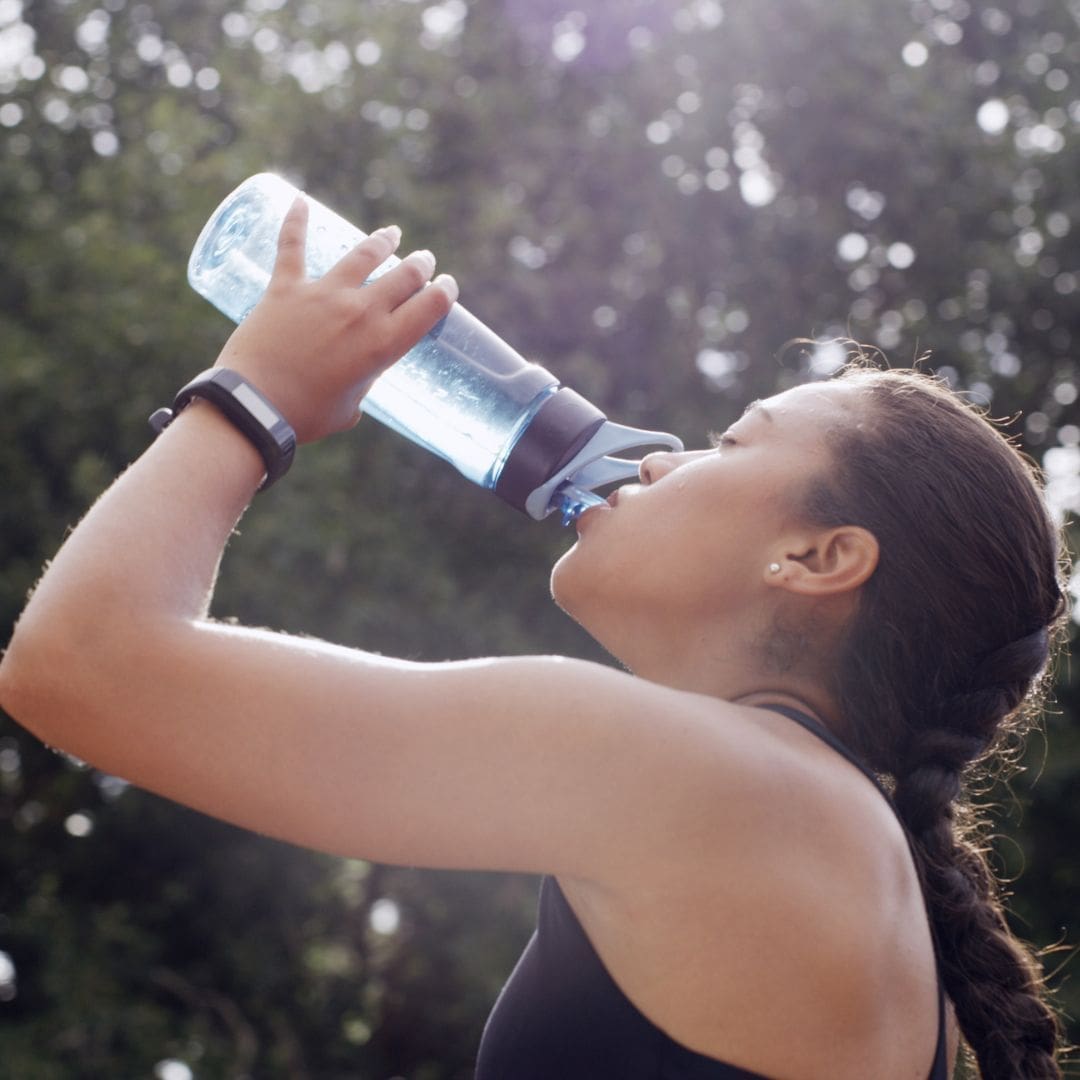
In warm or humid conditions, hydration matters. In cool weather, it still matters. The mistake is assuming “more is always better” or “I can just tough it out.”

Why it hurts:

Too little fluid can lead to fatigue, dizziness, and cramping. Too much plain water can dilute sodium levels and cause serious issues.

How to avoid it:

  • Use thirst as a guide, but have a plan.
  • Include electrolytes (sports drink or electrolyte tabs), especially if you sweat heavily.
  • Learn your sweat rate on long runs (how much weight you lose per hour in similar weather).
  • Take small sips consistently instead of chugging occasionally.

Austin tip: If your race-day forecast is warm, practice hydration and electrolytes in similar conditions during training. Heat changes everything.

A close-up of a hand gripping the handle of a black dumbbell, with several others in a rack behind—perfect for first-time marathoners looking to avoid common marathon mistakes by adding strength training to their routine. Austin Marathon Half Marathon & 5KMistake #4: Skipping Strength Training and Then Getting Injured
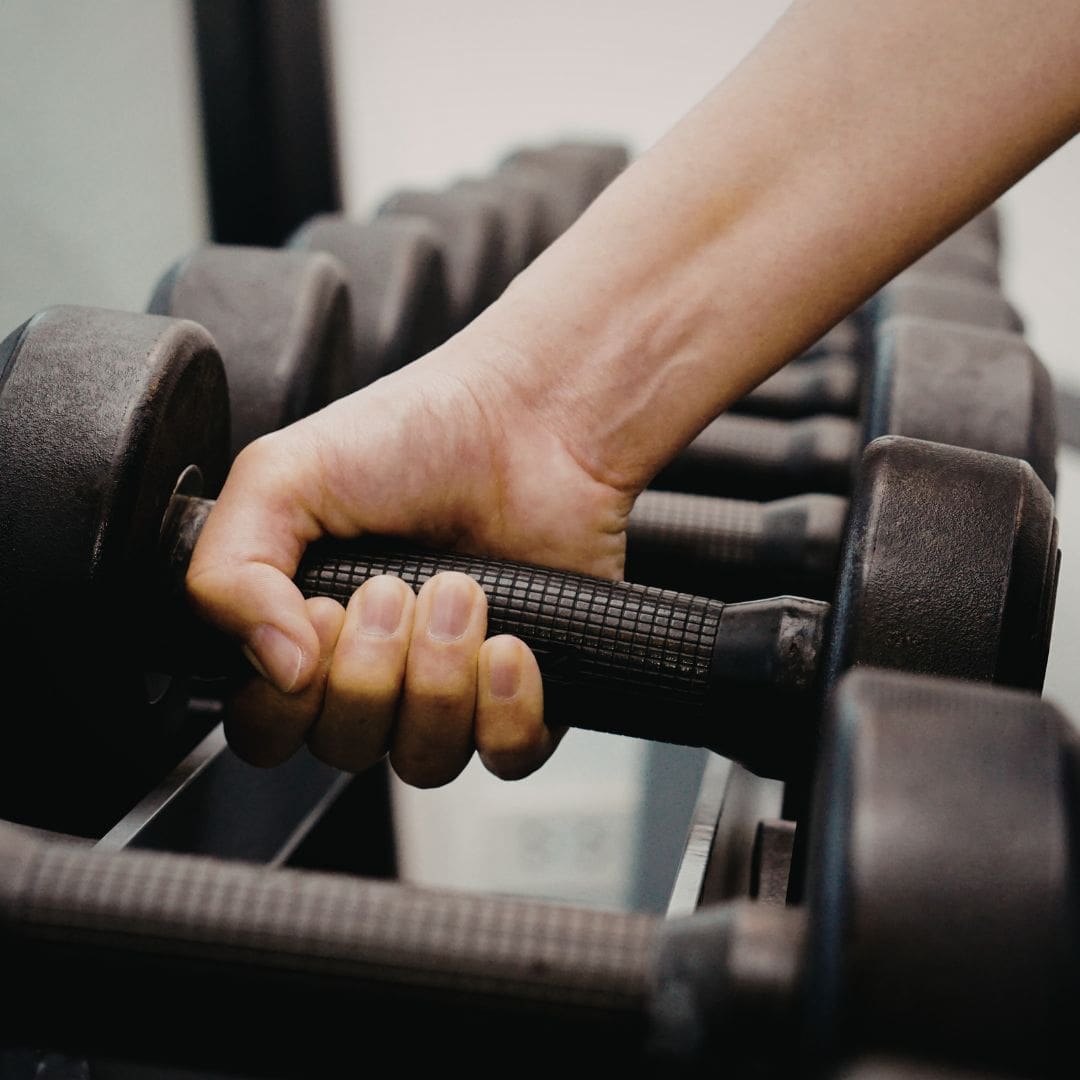
Running builds endurance, but it does not automatically build the strength and stability that protect your joints when fatigue sets in.

Why it hurts:

As the miles add up, form can break down. Weak hips, glutes, and core can contribute to knee pain, shin splints, IT band issues, or plantar fasciitis.

How to avoid it:

Add 2 short strength sessions per week. Keep it simple and consistent:

  • Squats or goblet squats
  • Lunges or split squats
  • Deadlifts (or Romanian deadlifts with light weights)
  • Calf raises
  • Glute bridges or hip thrusts
  • Planks and side planks

Minimum effective routine:

20 minutes, twice a week, done year-round.

A runner wearing headphones and a teal shirt jogs past cheering spectators and a white event banner on a sunny day, embodying the excitement and energy first-time marathoners feel while learning valuable marathon tips along the route. Austin Marathon Half Marathon & 5KMistake #5: Not Respecting the Taper (or Overthinking It)
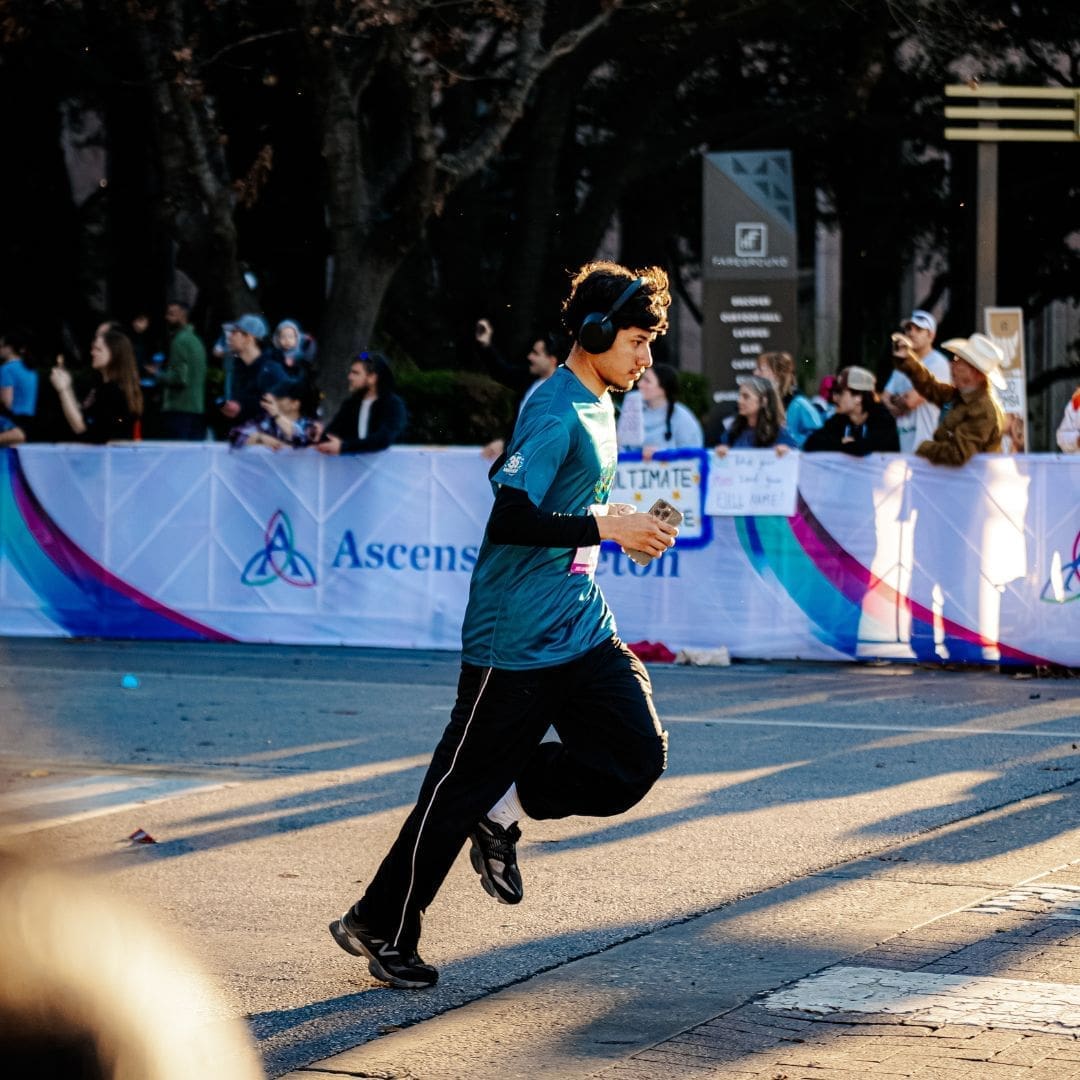
The taper is the last stretch of training where you reduce volume so your body can recover and show up rested. Many first-timers panic when mileage drops. They add “extra” workouts to feel ready, or they change everything at the last minute.

Why it hurts:

You cannot gain fitness in the final week, but you can accumulate fatigue. New shoes, new gels, or a last-second hard workout can turn race day into a struggle.

How to avoid it:

  • Trust your training. The taper is part of the plan.
  • Keep some intensity (short, controlled efforts), but reduce overall mileage.
  • Prioritize sleep, hydration, and consistent meals.
  • Avoid trying anything new in the final 10 to 14 days.

Remember: You want to feel a little “itchy” to run on race morning. That is a good sign.


Quick Race-Day Checklist for First-Time Marathoners

  • Start slower than you think you should
  • Begin fueling early and fuel consistently
  • Drink small amounts regularly, include electrolytes
  • Stick to familiar gear and nutrition
  • Focus on effort, not just pace, if conditions change

Frequently Asked Questions

How long should I train for my first marathon?

Most first-time marathon training plans run 12 to 20 weeks, depending on your base mileage and running history. Longer is often safer if you are new to running.

What is the biggest mistake first-time marathoners make?

Starting too fast is one of the most common. It feels great early, then becomes costly late in the race.

When should I take my first gel during a marathon?

Many runners do best starting 30 to 45 minutes into the race, then continuing every 30 to 40 minutes. Practice in training to confirm what works for you.

Should I walk during my first marathon?

A planned run-walk strategy can be effective for first-timers, especially to manage pacing, fueling, and fatigue. If you use it, practice it in long runs.


Your first marathon does not need to be perfect. It just needs to be prepared. If you avoid these five mistakes and stick with a simple plan, you will give yourself the best chance to finish strong and actually enjoy the experience.

Ready for race day in Austin?

Check out our race weekend info, course details, and runner resources here:

Hydration Strategies for Long Runs & Hot Days (Even in Winter)

Staying hydrated is crucial for marathon runners, whether you’re training in the sweltering summer or braving a chilly winter morning. Dehydration can sneak up on you, impacting your performance, recovery, and overall health. In this guide, we’ll cover the best hydration strategies for long runs and hot days, with tips that apply year-round—even when the weather is cold.

Why Hydration Matters for Marathon Runners

Proper hydration helps regulate body temperature, lubricate joints, and transport nutrients for energy and recovery. During a marathon or long training run, your body loses fluids through sweat—even in winter. Failing to replace these fluids can lead to fatigue, cramps, and decreased performance.

Signs of Dehydration During Long RunsA woman in workout clothes with a towel around her neck stands outdoors, shielding her eyes from the bright sunlight with her hand, looking tired after long runs on hot days. Green trees and sunlight are visible in the background. Austin Marathon Half Marathon & 5K

  • Thirst and dry mouth
  • Headache or dizziness
  • Dark yellow urine
  • Muscle cramps
  • Fatigue or confusion

If you notice any of these symptoms during your marathon training, it’s time to adjust your hydration plan.


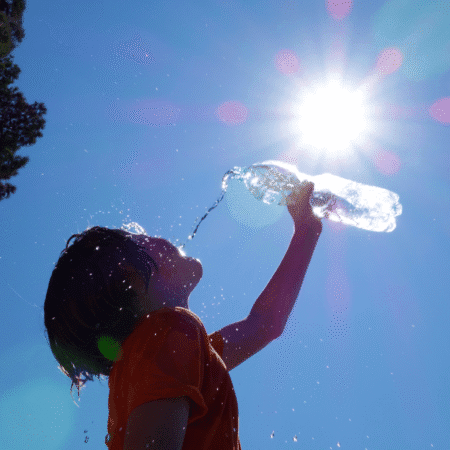
Hydration Tips for Hot Weather RunsA child in an orange shirt drinks water from a plastic bottle outdoors, sunlight shining overhead and water droplets shimmering—perfect hydration strategies for hot days. Austin Marathon Half Marathon & 5K

  1. Pre-Hydrate:
  2. Start your run well-hydrated. Drink 16–20 ounces of water 2–3 hours before your marathon or long run.
  3. Electrolyte Balance:
  4. Sweating leads to loss of sodium, potassium, and other electrolytes. Use sports drinks or electrolyte tablets during runs longer than 60 minutes, especially in hot weather.
  5. Drink Early and Often:
  6. Don’t wait until you’re thirsty. Sip 4–8 ounces of water or sports drink every 15–20 minutes during your run.
  7. Dress for the Heat:
  8. Wear light, moisture-wicking clothing and a hat or visor to help manage sweat and sun exposure.

Hydration Strategies for Winter Marathon TrainingA woman in a light blue jacket, black leggings, and gloves runs on a snowy path in a winter landscape, surrounded by snow-covered trees, demonstrating the importance of hydration strategies even on long runs in cold weather. Austin Marathon Half Marathon & 5K

  • Don’t Skip the Water:
  • Cold weather can suppress your thirst, but your body still loses fluids through sweat and breathing. Stick to your hydration schedule, even if you don’t feel thirsty.
  • Warm Fluids:
  • Carry a thermos with warm water or herbal tea to make drinking more appealing on cold days.
  • Monitor Sweat Rate:
  • Weigh yourself before and after runs to estimate fluid loss and adjust your intake accordingly.


How to Create a Personalized Hydration PlanA person writes a checklist labeled “PLAN” on a tablet using a stylus. Several boxes are checked, and handwritten notes mention hydration strategies for long runs, suggesting digital planning for hot days or endurance activities. Austin Marathon Half Marathon & 5K

  1. Calculate Sweat Rate:
  2. Weigh yourself before and after a one-hour run. Each pound lost equals about 16 ounces of fluid.
  3. Adjust for Conditions:
  4. Increase fluid intake on hot, humid, or windy days. In winter, don’t decrease your intake drastically—your body still needs hydration.
  5. Practice During Training:
  6. Test your hydration plan during long runs to see what works best for your body and stomach.


Marathon Day Hydration ChecklistA close-up of a hand writing in a notebook with a black pen. The grid-patterned page, titled “CHECK LIST,” includes items like hydration strategies—essential for hot days and long runs—with several tasks checked off and more to go. The background is blurred. Austin Marathon Half Marathon & 5K

  • Hydrate well the day before
  • Bring your preferred fluids or know what’s available on the course
  • Start sipping early in the race
  • Listen to your body, but don’t rely solely on thirst


Hydration is a year-round priority for marathon runners. By following these strategies, you’ll be better prepared for long runs and race day—no matter the weather. Remember, every runner is different, so experiment during training to find your optimal hydration routine.


Boost Your Hydration with these 4 Easy-to-Make Recipes

Hydration: 5 Things You Should Know and How They’ll Help

You know about hydration, now learn about how it helps your body

Nuun is the Official Hydration partner of the Ascension Seton Austin Marathon. They know a thing or two about hydrating athletes. The experts at Nuun are constantly gathering information about how athletes can better fuel their bodies. This blog post was written by the Nuun experts to educate athletes and provide them with the information needed to be successful during training and racing.

Hydration is energy (for your muscles)

Most people think that the purpose of hydration is to prevent dehydration and replenish electrolyte stores that may be lost via sweat. Although both of those are true (recent studies have shown that electrolytes may play greater roles in fluids absorption than sweat replenishment), the fundamental goal of hydration is to deliver oxygen to working muscles. Try to think about hydration or the fluid you are consuming as a way of helping your muscles breathe, which in turn gives them the energy they need to perform.

Editor’s note: proper hydration, along with these 6 tips from this Austin Marathon blog will help you run your best!

Water does not hydrate you

Yes, you read that correctly! While water does fundamentally provide your body with fluid, it does not truly hydrate you. Water needs to be in a specific concentration (composing of carbohydrates and electrolytes) to exit the stomach and move into circulation where it can be used by the body. Our water needs to contain sodium to ensure proper fluid absorption. To make matters even more complicated, your “water” should contain different amounts of carbohydrates and electrolytes before/during/after your workout.

Mitigate gastric distress during exercise

To put it simply, when you are exercising, your body (stomach) is under stress. There are ways you can eat and drink to mitigate that stress or encourage it. When it comes to hydration, if the ratio of carbohydrates to fluid is too high or the electrolyte profile is too low, the delivery of fluid slows down. It sits in the stomach. That’s what causes sloshing and GI issues during racing. 

Help you fuel better

This builds on the previous point. With proper hydration, you can help eliminate the GI issues that can come with it. This allows for faster and more efficient fueling. This is achieved by not overloading your system and using multiple pathways to absorb fluids and carbohydrates.

Aids in recovery

One area that is critical to the recovery process is rehydrating. Rehydrating not only replenishes fluids lost during exercise, but it also aids in replenishing the electrolytes that were also lost. Keep in mind: drinking too much too fast can degrade the potential gains of the workout. Here’s why: over time your body has developed a strong immune system that helps repair itself when it is under the stresses of exercise. Therefore, naturally, your body begins repairing itself, slowly rehydrating, and continuing to hydrate throughout the day.

Editor’s note: recover faster when you follow this long training run recovery timeline from the Austin Marathon!

Nuun Hydration is our Official Hydration partner. Head over to www.nuunlife.com to stock up on your hydration supply and train with what will be on course. Save 25% with the code below!