
Turn Austin Marathon Weekend into a Mini Vacation
The 2027 Ascension Seton Austin Marathon isn’t just a race, it’s a reason to explore one of the most vibrant cities in the country. With the event landing on Valentine’s Day & Super Bowl Sunday (February 14, 2027), there’s never been a better excuse to turn your run into a long weekend getaway. Here’s how to make the most of your time in Austin before, during, and after you cross that Congress Avenue finish line.
 Why Austin Marathon Weekend Is Perfect for a Mini Vacation
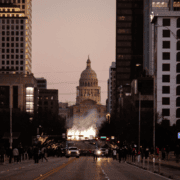 Why Austin Marathon Weekend Is Perfect for a Mini Vacation
Austin isn’t your typical race-and-leave city. The downtown finish line puts you steps from world-class restaurants, iconic live music venues, and outdoor adventures. Whether you’re running the full 26.2, the half marathon, or the 5K, you can build an unforgettable trip around your race.
What to Do Before the Race
 What to Do Before the Race
Friday: Shakeout Run + Expo
Kick off the weekend with a shake out run on Friday morning, a casual 3 to 5 miles followed by breakfast tacos and coffee from one of the MANY local coffee spots Austin has to offer. Then head to the Health & Fitness Expo (free and open to the public) to grab your bib, shop exclusive race merch, and check out activations from top running brands.
Saturday: Explore Austin Like a Local
With packet pickup open on Saturday as well (9 AM to 6 PM), you’ve got plenty of time to grab your bib and explore. Take a morning stroll down South Congress Avenue for boutique shopping and the city’s best photo ops. Fuel up with a pre-race carb-loading dinner at one of Austin’s legendary Tex-Mex spots or Italian restaurants.
Pro tip: Keep Saturday low-key. Save your legs and soak in the atmosphere rather than hiking Barton Creek Greenbelt (save that for Monday).
Race Day: February 14, 2027
 Race Day: February 14, 2027
The gun goes off at 7:00 AM in downtown Austin. You’ll run through iconic neighborhoods, past the Texas State Capitol, along Lady Bird Lake, and through Zilker Park, all while live bands line the course. It’s the Live Music Capital of the World for a reason, and you’ll hear it at every mile marker.
After you cross the finish line on Congress Avenue, the Finish Line Festival is waiting with recovery zones, cold plunges, local food vendors, the Meanwhile Beer Garden, and live entertainment. Bring your crew: the festival is open to spectators and family too.
What to Do After the Race
 What to Do After the Race
Sunday Afternoon: Celebrate Your Finish
You just ran a marathon on Valentine’s Day. Treat yourself. Here are some top post-race ideas:
- Grab brunch on South First Street or East Austin
- Hit a rooftop bar on Rainey Street for a celebratory drink
- Book a recovery massage at one of Austin’s wellness studios
- Catch live music on Sixth Street (your legs need rest, your ears don’t)
- Bonus: Find a Super Bowl watch party at an iconic Austin Sports Bar
Monday: Recovery Day Adventures
Austin rewards you for sticking around an extra day. Try a sunrise kayak on Lady Bird Lake, visit the Blanton Museum of Art, or wander the trails at Mount Bonnell for skyline views. End the trip with legendary Texas barbecue at Franklin Barbecue or la Barbecue.
Where to Stay for Austin Marathon Weekend
 Where to Stay for Austin Marathon Weekend
Downtown hotels put you within walking distance of the start and finish line. For a more local feel, book a spot in South Congress (SoCo) or East Austin, where you’ll find eclectic shops, coffee houses, and restaurants within blocks of the race route.
Our Top Picks for Food & Drinks:
Coffee: Jo’s Coffee (South Congress)
Order: Iced Turbo (their signature coffee drink with espresso, hazelnut, chocolate, and cream) and snap a photo at the famous “I Love You So Much” mural next door. It’s the perfect pre- or post-race stop.
Honorable Mention: Cosmic Coffee + Beer Garden
Order: Vannilla latte or a frozen matcha, then hang out in the outdoor garden with live music and food trucks.
Breakfast Tacos: Veracruz All Natural
Order: The Migas Taco. Crispy tortilla strips, eggs, avocado, pico de gallo, Monterey Jack cheese, and their legendary salsa make this one of Austin’s most famous breakfast tacos.
Honorable Mention: Tacodeli
Order: Otto Taco (bacon, avocado, black beans & Monterey Jack) with Doña Salsa, a local favorite.
Brunch: Paperboy
Order: Texas Hash with a side of pancakes and a cold brew. It’s one of Austin’s most popular brunch spots, so arrive early.
Honorable Mention: Bird Bird Biscuit
Order: The Queen Beak (fried chicken, bacon, chipotle aioli & honey) and don’t skip the tots. Bird Bird has become one of Austin’s signature brunch spots.
Tex-Mex: Matt’s El Rancho
Order: Bob Armstrong Dip + Chicken Jack
Honorable Mention: El Alma
Order: Duck Enchiladas or Chicken Enchiladas Suizas with a classic margarita on the rooftop patio.
Carb Loading:Red Ash Italia
Order: Tagliolini al Tartufo or Pappardelle Bolognese
Honorable Mention: Patrizi’s
Order: Famous Red Sauce Pasta with meatballs and garlic bread. Casual, quintessential Austin, and perfect for a hearty pre-race meal. It’s also a favorite recommendation among Austin food lovers.
Drinks: Azul Rooftop
Order: A seasonal cocktail while overlooking downtown.
Honorable Mention: Nickel City
Order: Frozen Irish Coffee or the Classic Frozen Margarita. This laid-back neighborhood bar is consistently ranked among Austin’s best for cocktails.
Sweet Treats: Amy’s Ice Creams
Frequently Asked Questions
When is the 2027 Austin Marathon?
Sunday, February 14, 2027, with a 7:00 AM start in downtown Austin, Texas.
Is Austin Marathon weekend good for non-runners too?
Absolutely. The expo, finish line festival, and city-wide events make it a full weekend experience for friends, family, and spectators.
What’s the best neighborhood to stay in for race weekend?
Downtown Austin gives you the easiest access to the start/finish. South Congress and East Austin are great alternatives with more local character.
Can I explore Austin the day before the race?
Yes! Saturday is ideal for sightseeing. Just keep activities low-impact to save your legs for race morning.
What should I do after the Austin Marathon?
Celebrate at the Finish Line Festival, grab brunch, explore Austin’s live music scene, or book a recovery session. Many runners stay an extra day to enjoy the city at a relaxed pace.
Make It More Than a Race
The Austin Marathon is one of the most scenic, energetic, and community-driven races in the country. But the city itself is the real prize. Come for the medal, stay for the music, the food, and the memories.
Ready to turn your race into a vacation? Register for the 2027 Austin Marathon today.
 Why Summer Is Where Marathons Are Won (or Lost)
 What Is the Summer Consistency Challenge?
 How to Stay Consistent Running in Summer Heat
 The Mental Game: How to Not Quit on Day 12
 What Happens After 30 Days?
 What Is Heat Training?
 How Heat Training Improves Your Endurance
 Why Summer Heat Training Is a Secret Weapon for a February Marathon
 How to Heat Train Safely This Summer
 The Bottom Line
 What is cross-training (and why marathon runners should care)?
 1) Lower injury risk without losing fitness
 2) Better endurance with less burnout
 3) Stronger muscles for better running economy
 4) Faster recovery between key workouts
 Cycling (indoor or outdoor)
 Swimming
 Elliptical or stair climber
 Rowing
 Strength training (highly recommended)
 How to add cross-training to your marathon plan (without overdoing it)
 Common mistakes marathon runners make with cross-training
 How much cross-training do you need for marathon success?

