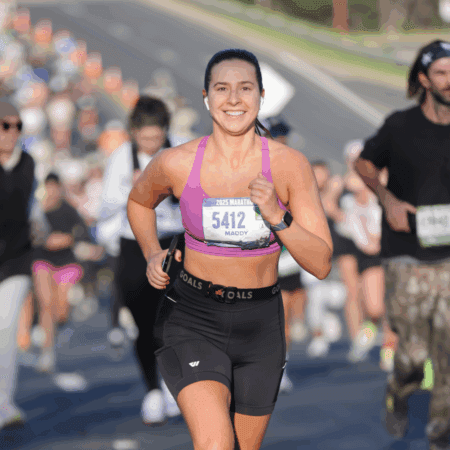
Coffee and Community: Best Post-Run Cafés in Austin

Austin’s vibrant running community doesn’t stop at the finish line. After a long run on the trails or through the city streets, many runners head straight to a local café for a well-deserved cup of coffee, a healthy bite, and good conversation. Whether you’re training for a marathon, cooling down from a morning jog around Lady Bird Lake, or just looking for a runner-friendly spot, Austin has plenty of cafés that fuel both body and community.

In this guide, we’re highlighting some of the best post-run cafés in Austin—places where runners gather, refuel, and recharge.


1. Mozart’s Coffee Roasters – Scenic Recovery on the Lake

Located right on Lake Austin, Mozart’s Coffee Roasters is a favorite among runners who finish up along the trail. With spacious outdoor seating and views of the water, it’s the perfect place to stretch, sip on a locally roasted brew, and enjoy a pastry. Runners love its relaxed atmosphere and the sense of community that comes with watching other active Austinites pass by.

Runner tip: Opt for their cold brew on hot summer days—it’s as refreshing as it is energizing.


2. Radio Coffee & Beer – Community Vibes and Fuel for the Day

Known for its lively, dog-friendly patio, Radio Coffee & Beer in South Austin is a post-run staple. Many local run clubs use Radio as a meetup point, making it a hub of runner camaraderie. Beyond great coffee, you’ll find food truck options (like Veracruz tacos) to replenish those carbs and proteins after your workout.

Runner tip: Join a group run that starts and ends here—you’ll find both fitness and friendships.


A white building with teal window frames features a black sign on the roof that reads "FLEET." Beige awnings hang over the entrance, and green trees are visible in the background—an inviting Austin spot for post-run cafés or morning coffee. Austin Marathon Half Marathon & 5K3. Fleet Coffee – Coffee Crafted for Runners

A smaller but mighty stop in East Austin, Fleet Coffee is known for its inventive espresso drinks and minimalist vibe. Runners appreciate the quick service and quality that makes it easy to grab a post-run latte on the go.

Runner tip: Try their seasonal specials for a unique pick-me-up.


A coffee shop building with a sign in the foreground that reads "EPOCH LOVES YOU." Popular among post-run cafés and Austin coffee lovers, cars are parked outside and trees surround the area under a blue sky. Austin Marathon Half Marathon & 5K4. Epoch Coffee – Open 24/7 for Early Birds and Night Owls

Whether you’re a sunrise runner or prefer late-night miles, Epoch Coffee is always open. With locations across Austin, it’s a go-to spot for those who want consistency and a cozy community feel. The North Loop location is especially popular with runners cooling down after hitting nearby neighborhoods.

Runner tip: Pair your coffee with one of their fresh-baked pastries for a post-run reward.


People walk and stand outside a green building with a red stripe and large red letters "O's" on the roof. Perfect for a day trip, the wall features the handwritten phrase "i love you so much," as others ride bikes past the entrance. Austin Marathon Half Marathon & 5K5. Jo’s Coffee – An Austin Classic for Runners and Locals Alike

Famous for its “I love you so much” mural on South Congress, Jo’s Coffee is more than just an Instagram spot. It’s a welcoming café where runners often gather after long runs through downtown or South Congress Avenue. Their iced turbo is a favorite for a caffeine kick that doubles as a sweet treat.

Runner tip: If you’re training downtown, Jo’s is the perfect cool-down destination.


Why Post-Run Cafés Matter for Austin’s Running Community

Austin isn’t just a city of great running routes—it’s a city of connection. Post-run cafés give runners a chance to:

  • Refuel properly with coffee, protein, and carbs

  • Connect with the community by sharing stories and plans for the next run

  • Recover in comfort with shaded patios, cozy corners, and plenty of hydration options

These local spots aren’t just coffee shops—they’re an extension of Austin’s thriving running culture.


Final Thoughts

Whether you’re training for the Austin Marathon, logging easy miles, or simply love the joy of running, these Austin cafés are ideal spots to rest, refuel, and connect with fellow runners. Coffee and community go hand-in-hand, and in Austin, both are always brewing.

Looking for more runner-friendly spots in Austin? Stay tuned to our blog for guides on trails, training tips, and community events.

The Power of Positive Self-Talk in Marathon Training

How Affirmations and Mindset Can Influence Your Training Outcomes

Training for a marathon is as much a mental challenge as it is a physical one. While hours of running, strength work, and nutrition planning are essential, your inner dialogue can be the hidden factor that determines whether you cross the finish line with a smile—or struggle to get there at all. Positive self-talk and affirmations are powerful tools that can sharpen your mindset, improve performance, and help you enjoy the journey.


Why Mindset Matters in Marathon TrainingA young woman in athletic wear stands on a road, smiling and raising her fist in triumph. She radiates marathon motivation and happiness, with greenery and a bright sky in the background. Austin Marathon Half Marathon & 5K

Your thoughts directly influence your emotions, which in turn affect your actions. When training gets tough—whether you’re hitting the wall during a long run or struggling to stick to your schedule—a negative mindset can cause you to slow down, skip sessions, or even quit altogether.

On the other hand, a positive mindset helps you:

  • Stay motivated through grueling weeks of training.

  • Push past discomfort when your legs and lungs beg you to stop.

  • Maintain consistency, even on days when motivation is low.

  • Recover faster by focusing on progress instead of setbacks.

The best athletes understand that mental resilience is built just like physical endurance—through consistent practice.


What is Positive Self-Talk?A young woman with long brown hair smiles confidently at herself in the mirror, wearing a green sleeveless top. Her hand is clenched in a small fist, showing determination and positive self-talk as she prepares for marathon training. Austin Marathon Half Marathon & 5K

Positive self-talk is the practice of using encouraging, supportive language toward yourself. It’s not about ignoring reality or pretending challenges don’t exist—it’s about framing those challenges in a way that fuels progress instead of self-doubt.

Example shift:

  • Negative: “I’ll never be able to run 26.2 miles.”

  • Positive: “I’m getting stronger every week and building toward 26.2 miles.”


The Role of Affirmations in TrainingA man in athletic wear rests with his hands on his knees on an outdoor path, appearing tired after marathon training, with a clear sky and nature in the background. Austin Marathon Half Marathon & 5K

Affirmations are short, powerful statements you repeat to yourself to reinforce a desired belief or outcome. By saying these phrases regularly—especially during workouts or moments of self-doubt—you rewire your brain to focus on possibilities instead of limitations.

Examples for marathon training:

  • “I am strong, capable, and ready for this challenge.”

  • “Every step brings me closer to my goal.”

  • “I run with strength, endurance, and joy.”

Over time, these statements help replace doubt with confidence, especially during race day pressure.


How to Use Affirmations in Your Training RoutineA runner in a USA-themed tank top and blue headband, fueled by marathon motivation, fist bumps a volunteer in orange during a road race, with spectators and other runners cheering in the background. Austin Marathon Half Marathon & 5K

  1. Choose statements that resonate – Pick phrases that inspire you personally.

  2. Repeat them daily – Morning, during training runs, or before bed.

  3. Pair them with action – Affirmations are most powerful when you follow them with consistent training.

  4. Use them as mental fuel – During long runs or tough intervals, repeat your affirmation in rhythm with your breath or strides.


Science Behind the StrategyA male runner in a black tank top and headband crosses the marathon finish line with arms raised in victory, fueled by marathon motivation. Spectators cheer along colorful barricades, while event banners mark the finish area. Austin Marathon Half Marathon & 5K

Research in sports psychology shows that self-talk and affirmations can:

  • Improve endurance performance.

  • Increase pain tolerance.

  • Enhance focus during competition.

  • Boost confidence in high-pressure situations.

By creating a consistent habit of positive self-talk, you can train your brain to respond constructively to challenges instead of retreating from them.


Bringing It All Together

The marathon is a mental race as much as it is a physical one. By practicing positive self-talk and incorporating affirmations into your training, you can strengthen your mental resilience, stay committed to your goals, and make the journey more enjoyable.

Next time you lace up your shoes, remember: your body runs the miles, but your mind carries you to the finish line.

Running Form: Small Adjustments for Big Gains

When it comes to marathon training, most runners focus on building endurance, increasing mileage, and improving speed. But there’s another critical factor that can significantly impact your performance and reduce your injury risk: running form. While it might seem like a small detail, optimizing your form can lead to big gains in efficiency, reduce the stress on your muscles and joints, and help you avoid the common injuries that plague long-distance runners.

In this blog, we’ll explore several key techniques to improve your running form, reduce injury risk, and make every stride count.


1. Posture: Stand Tall, Run TallA woman in athletic wear and orange running shoes is running outdoors on a sunny day, showcasing great running form with a concrete wall in the background. Austin Marathon Half Marathon & 5K

The foundation of good running form starts with proper posture. A slight lean forward from your ankles (not your waist) will help you maintain balance and momentum without wasting energy. Imagine a straight line from your head to your heels, as if you’re being gently pulled upward by a string. This alignment allows for more efficient use of your muscles, reducing the strain on your back and core.

Tip: Avoid slouching or leaning too far forward, as this can lead to lower back pain and poor running mechanics. Keep your chest open, shoulders relaxed, and spine neutral.


2. Foot Strike: Aim for a Midfoot LandingTwo people, a woman and a man, are seen from below as they walk or jog outdoors. The bright blue sky is in the background, and one man’s sneakered foot is prominently in the foreground, showcasing proper running form. Austin Marathon Half Marathon & 5K

Where and how your feet hit the ground is a key factor in preventing injury and improving efficiency. A common mistake among new runners is overstriding, where the foot lands too far in front of the body. This causes unnecessary braking forces and puts extra strain on your joints. Instead, aim for a midfoot strike, where your foot lands directly beneath your body.

Tip: To achieve a midfoot strike, focus on keeping your strides short and light. You should feel like you’re “falling” forward slightly with each step rather than pushing yourself forward with each stride.


3. Cadence: Find Your RhythmA group of runners in athletic gear and numbered bibs participate in a road race, focusing on their running form and making small adjustments for big gains as they move along a paved street under bright sunlight. Austin Marathon Half Marathon & 5K

Cadence refers to the number of steps you take per minute. A higher cadence (typically around 170-180 steps per minute for most runners) reduces the risk of injury and improves running efficiency. When your cadence is too low, you may tend to overstride, which increases the impact on your knees and hips. A quicker cadence helps to reduce this impact, keeping your body in a better position to absorb shock.

Tip: Use a metronome or running app to monitor your cadence. Try to gradually increase your steps per minute to a target of around 180. Shortening your stride and increasing cadence will allow you to use less energy per step.


4. Arm Swing: Keep It Relaxed and EfficientA woman in red athletic wear jogs along a sandy beach, showcasing excellent running form as the ocean sparkles in the background on a clear day. Austin Marathon Half Marathon & 5K

Your arms play a crucial role in maintaining your running form and rhythm. If your arms are stiff or cross your body, you’ll waste energy and risk injury. The key is to keep your arms relaxed, with your elbows bent at about 90 degrees. Your hands should move in a straight line, not crossing over your chest. This helps propel you forward efficiently while reducing strain on your shoulders and upper body.

Tip: Imagine that you’re gently holding a small ball in each hand, keeping them relaxed. Focus on swinging your arms in sync with your legs, using them to generate momentum and maintain your rhythm.


5. Core Engagement: Strengthen Your CenterA woman in athletic wear runs outdoors in a park at sunrise or sunset, listening to music with earphones. The sky is clear and trees are visible in the background, as she focuses on her running form. Austin Marathon Half Marathon & 5K

A strong core is the foundation of good running form. When you engage your core, you’re able to maintain good posture, prevent slouching, and avoid excessive tilting of your pelvis, which can lead to lower back pain. A strong core also helps with balance and stability, especially when running on uneven terrain.

Tip: During your runs, focus on gently pulling your belly button toward your spine, keeping your core engaged without over-tensing. This will help you maintain a stable and upright posture.


6. Stride Length: Short and SweetClose-up of a runner’s legs and shoes from behind, mid-stride on a road during a race, highlighting strong running form. The runner wears colorful socks and blue athletic shoes with orange soles, with other runners blurred in the background. Austin Marathon Half Marathon & 5K

Many runners think that lengthening their stride will help them go faster, but this often leads to overstriding, where the foot lands too far in front of the body. This can put excessive stress on your knees and hips, increasing the risk of injury. Instead, focus on a short, quick stride where your foot lands under your hips, not in front of you.

Tip: Think about running in a straight line with your footfall just below your body’s center of mass. Avoid reaching out with your foot and focus on maintaining a slight bend in your knees as you land.


7. Hip Position: Keep Them AlignedA woman in a black tank top and pink shorts is running outdoors against a light-colored, ridged wall. Her hair is in braids, and she appears to be mid-stride, showcasing excellent running form as she focuses on her exercise. Austin Marathon Half Marathon & 5K

Your hips are the engine of your running form, and keeping them in proper alignment is key to avoiding injuries like IT band syndrome or hip flexor strain. Misalignment of the hips can cause uneven stress on your knees, ankles, and lower back, leading to pain and discomfort.

Tip: Pay attention to your pelvis during your runs. Your hips should remain level and not tilt too far forward or backward. Engaging your core and slightly tilting your pelvis to a neutral position can help maintain better alignment throughout your run.


8. Relaxation: Loosen Up and Save EnergyA man in a yellow sleeveless shirt and a woman in a purple shirt are jogging outdoors with proper running form, smiling, under a blue sky with greenery in the background. Austin Marathon Half Marathon & 5K

One of the most common mistakes runners make is holding unnecessary tension in their bodies. Tension in your face, shoulders, arms, or hands can waste energy and increase fatigue. You should aim to be relaxed while running, particularly in your upper body. Clenching your fists or tightening your jaw can waste valuable energy that should be used to propel you forward.

Tip: Periodically check in with yourself during your run and consciously relax your hands, shoulders, and face. Think of running as a fluid motion where your body moves effortlessly.


9. Breathing: Find Your Breath RhythmA woman stands outdoors with both hands placed gently over her chest, wearing a sleeveless top. The softly blurred background suggests a calm setting, perfect for reflecting on running improvements or refining her running form. Austin Marathon Half Marathon & 5K

Breathing might seem automatic, but learning to control your breathing rhythm can improve your performance and help you run more efficiently. Focus on deep belly breathing rather than shallow chest breathing, which can lead to fatigue and cramping.

Tip: Try to establish a breathing pattern that matches your cadence. For example, inhale for two steps, exhale for two steps. This will help you maintain a steady flow of oxygen, reduce side stitches, and improve endurance.


Conclusion: Small Adjustments, Big Gains

Improving your running form doesn’t require drastic changes or expensive gear. By making small adjustments, such as improving posture, increasing cadence, and engaging your core, you can enhance your running efficiency, reduce the risk of injury, and ultimately perform better during your marathon.

Remember, running is a skill that takes time to develop, so be patient with yourself as you work on these techniques. Practice them during your training runs, and over time, you’ll notice that you’re running smoother, faster, and with less effort. By focusing on proper form, you’re setting yourself up for a more successful and injury-free marathon experience.

Happy running, and here’s to reaching new personal bests!


The Importance of Rest: How Recovery Days Enhance Marathon Training

When training for a marathon, it’s easy to get caught up in the hustle—logging miles, hitting paces, and striving for that next personal best. But one aspect of training that’s often overlooked is the crucial role of rest and recovery. While it may seem counterintuitive to take a break when you’re focused on pushing your limits, rest is actually an essential component of a successful marathon training plan. In this blog, we’ll dive into the importance of rest, how it helps prevent injuries, and how recovery days contribute to improving your performance.


The Science of Recovery: Why Rest Is EssentialA young woman enjoys a well-deserved rest on a couch with her hands behind her head, smiling and looking content. Sunlight streams through large windows in the background, creating a warm, peaceful atmosphere—perfect for recovery days during marathon training. Austin Marathon Half Marathon & 5K

When you’re running, your body is undergoing significant stress. Every stride impacts your muscles, joints, and connective tissue. As you increase your mileage and intensity, you’re creating tiny microtears in muscle fibers. While this might sound like a bad thing, it’s actually part of the process that leads to stronger muscles and improved endurance. However, in order to fully repair and rebuild those muscles, your body needs time to rest and recover.

Rest days allow your body to repair the damage from training, restore energy stores, and rebuild muscle tissue. Without adequate recovery, your body doesn’t have the chance to bounce back stronger, which can lead to burnout, decreased performance, and a higher risk of injury.


A person in a yellow shirt sits on a running track, holding their lower leg with a pained expression—possibly from marathon training. The affected area appears slightly red, highlighting the importance of rest days for proper recovery. Austin Marathon Half Marathon & 5KPreventing Overuse Injuries

Marathon training involves repetitive motion—specifically running, which places repetitive stress on your legs, hips, knees, and lower back. Over time, continuous training without sufficient rest can lead to overuse injuries, such as stress fractures, shin splints, tendonitis, and muscle strains. These injuries typically arise from doing too much too soon, without allowing the body enough time to heal.

By incorporating rest days into your training schedule, you’re giving your body the opportunity to repair tissues and replenish energy stores. This helps prevent the breakdown of muscles and reduces the risk of overuse injuries. Proper rest can also help mitigate the effects of inflammation, which is a common result of intense physical activity.


Enhancing Performance with RecoveryA man sits in a modern chair by a large window, leaning back with his hands behind his head and looking relaxed. Soft daylight fills the room, reflecting the calm and peaceful atmosphere of well-earned rest on recovery days from marathon training. Austin Marathon Half Marathon & 5K

It may sound counterproductive, but taking rest days can actually help you run faster and longer. When you train hard without taking enough time to recover, you risk reaching a plateau where performance improvements stall. However, when you allow your body to rest, it can adapt to the stress you’ve placed on it, leading to improved strength, endurance, and speed over time.

Recovery isn’t just about resting your legs—it’s also about allowing your body to fully recharge. Your muscles need time to repair, but your nervous system also needs to reset. Running stresses the central nervous system, which controls muscle contractions and coordination. A recovery day helps calm the nervous system, reducing fatigue and allowing you to train harder and more effectively in the long run.


Quality vs. Quantity: The Rest You NeedA young man with short hair and a light beard is relaxing on a beige sofa with his hands behind his head, eyes closed in calm rest. Sunlight streams through large windows—a perfect recovery day after marathon training. Austin Marathon Half Marathon & 5K

Rest doesn’t just mean taking a full day off from running; it can also include active recovery days. Active recovery allows you to engage in low-impact activities, such as walking, swimming, cycling, or yoga. These activities help keep blood flowing to your muscles, aiding in recovery without adding additional strain. On active recovery days, you’re still moving your body but at a lower intensity, which can help reduce muscle soreness and stiffness.

On full rest days, it’s important to give your body time to fully recover by avoiding any strenuous exercise. This doesn’t mean you should remain completely inactive—light stretching, foam rolling, or gentle movement can promote circulation and help with muscle flexibility. The goal is to let your body fully rest, repair, and rebuild.


Mental Recovery: The Often-Overlooked Aspect

While physical recovery is vital, mental recovery is equally important when preparing for a marathon. Marathon training can be mentally exhausting, especially when the miles pile up and the training intensity increases. Rest days give you a break not only from physical exertion but also from the mental strain of pushing yourself through tough workouts.

Taking time off allows you to reset mentally, reducing the risk of burnout. It gives you the opportunity to reflect on your progress and maintain motivation throughout the training cycle. Plus, the mental break can help you return to your training with a fresh perspective, ready to give it your all during your next workout.


How to Schedule Rest Days in Your Training PlanA red pencil rests on a calendar page, pointing at the 14th day of the month. The dates are arranged in a grid, with Recovery days and the number 29 highlighted in red. Austin Marathon Half Marathon & 5K

So, how do you incorporate rest into your marathon training plan? Most marathon training programs suggest one to two full rest days per week, depending on the intensity of your workouts and your individual needs. Your rest days should be strategically placed around your hard workouts or long runs to allow your body to recover fully. For example, scheduling a rest day after a long run ensures that your body has time to repair before your next tough workout.

If you’re following a specific training plan, rest days will be built in to optimize your performance. However, listen to your body. If you’re feeling fatigued, sore, or mentally drained, it’s okay to take an extra rest day. Pushing through extreme fatigue can lead to injury or burnout, so don’t be afraid to adjust your schedule when needed.


The Bottom Line: Rest Equals Results

In marathon training, progress is made not just by logging miles but by allowing your body to recover and rebuild. Rest days are vital for injury prevention, improved performance, and mental well-being. By scheduling rest into your plan, you’re setting yourself up for long-term success.

So next time you feel guilty for taking a rest day, remember that recovery is a key part of the process. It’s not just about how hard you work, but how well you recover that will make the biggest difference come race day.

Happy training, and remember—rest is an essential part of the journey!